Get ready to welcome Holy Week in Barcelona this 2026 under the warm spring sun, transforming into a canvas where centuries-old devotion intertwines with cosmopolitan avant-garde. From March 29th to April 6th, 2026, the city offers not just a festive break, but a total immersion in a unique atmosphere where the incense of the processions in the Gothic Quarter blends with the aroma of chocolate from the most sophisticated pastry shops.
It is a time of fascinating contrasts: from the deathly silence of the religious floats to the vitality of the terraces full of life, turning every corner into a stage for living traditions that invite both intimate reflection and collective enjoyment in the streets.
If you are planning your visit, you will discover that Barcelona during Holy Week is much more than a date on the calendar; it is a complete sensory experience. You will witness how Gaudí’s architecture lights up with a renewed mysticism or how local gastronomy pays an exquisite tribute to the season. At HCC Hotels, we invite you to be the protagonist of this ultimate guide, designed so you don’t miss a single detail of one of the most beautiful and profound celebrations in the City of Counts.
2026 Barcelona Holy Week Procession Schedule
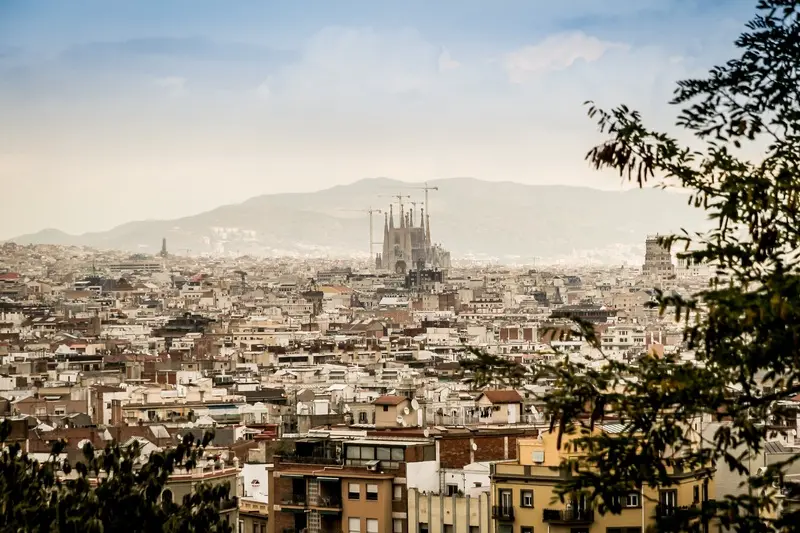
The solemnity of the religious images traveling through the narrow and magical streets of Ciutat Vella is one of the most overwhelming experiences you can live during these dates. Barcelona lives its faith with a contained elegance, where the sound of the drums echoes against the millennial stones of the historic center. Holy Week in Barcelona 2026 stands out for its solemnity, crossing central neighborhoods with acts that are already part of the city’s DNA.
Palm Sunday (March 29th, 2026): The festivities begin with the traditional Blessing of the Palms at the Barcelona Cathedral, a visual spectacle of beautifully crafted white palms. Shortly after, joy floods the old town with the Procesión de La Burreta (Jesus’ entry into Jerusalem) and the procession of the Hermandad de la Bona Mort.
Holy Thursday (April 2nd, 2026): As evening falls, a sense of recollection takes over the atmosphere with the Vía Crucis de la Sang, organized by the Real e Ilustre Archicofradía de la Purísima Sangre de Nuestro Señor Jesucristo, one of the most deeply rooted and oldest traditions in the city.
Good Friday (April 3rd, 2026 – Public Holiday): This is the day of greatest religious fervor. Highlights include the Procession of Nuestro Padre Jesús del Gran Poder and María Santísima de la Esperanza Macarena, which usually travels through central areas or the elegant Tres Torres neighborhood in a massive manifestation of faith.
Easter Sunday (April 5th): The city celebrates the joy of the Resurrection with solemn liturgical celebrations both in the Cathedral and in the various parish churches of the Barcelona neighborhoods.
It is important to remember that the official public holidays in Barcelona for this 2026 will be Good Friday (April 3rd) and Easter Monday (April 6th).
Easter Traditions in Barcelona
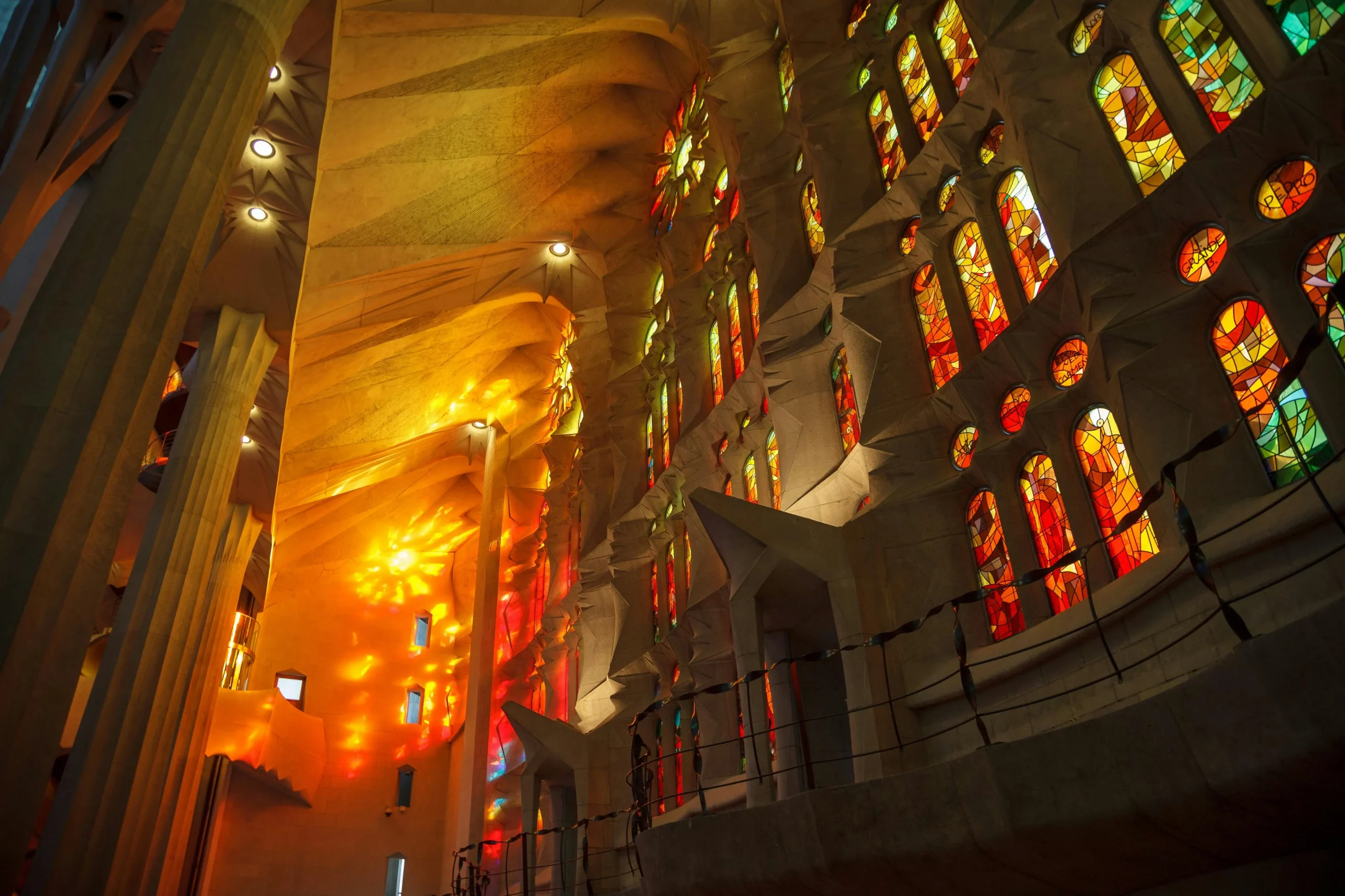
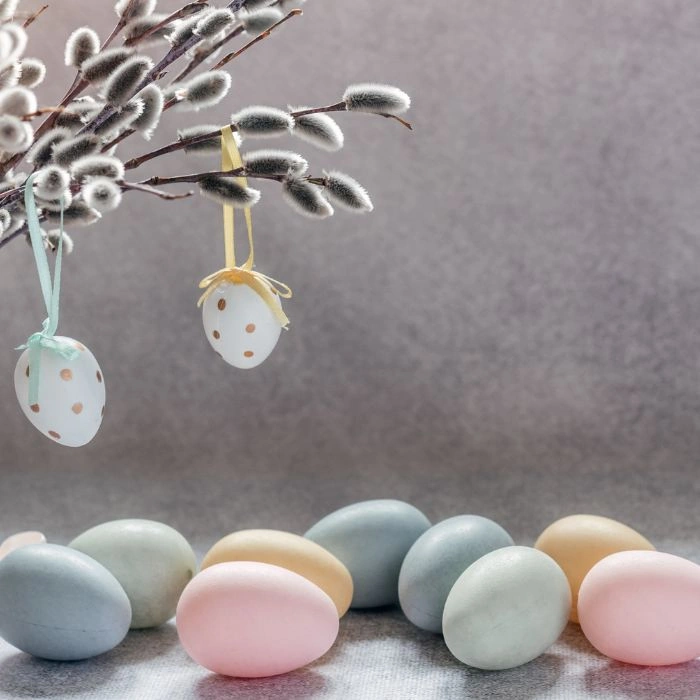
The Easter season in Barcelona transcends the strictly religious sphere to become a celebration of family and generational renewal, with traditions that smell of chocolate and spring. The epicenter of this festivity is Easter Monday (April 6th), a holiday throughout Catalonia where the end of Lent is celebrated with a family gathering around the table. The great protagonist of this day is the bond between godfathers, godmothers, and their godchildren, who look forward with excitement to the sweetest gift of the year: the Mona de Pascua.
Historically, the Mona was a simple sponge cake adorned with hard-boiled eggs; tradition dictated that it should have as many eggs as the child’s age, up to twelve, the age at which first communion was usually received and this cycle of gifts ended. However, over the decades, hard-boiled eggs gave way to chocolate ones, and humble cakes transformed into authentic works of pastry engineering. Today, the most famous pastry shops in Barcelona compete to design chocolate sculptures that can represent everything from football stadiums and Disney characters to the city’s most iconic monuments.
Walking through the streets of Barcelona during the days leading up to Easter is like attending an exhibition of ephemeral art in pastry shop windows. Master chocolatiers spend months planning these pieces, which can reach over a meter in height and weigh dozens of kilos. It is customary for families to take “the Mona route,” touring neighborhoods like Eixample or Born to admire these creations before, finally, on Easter Monday, the ritual of receiving the Mona and breaking the chocolate to share as dessert takes place.
In addition to the delivery of the Mona, another deeply rooted tradition is that of the Palms and Palmones during Palm Sunday (March 29th). Children carry palmones (tall, whole palm leaves) and palms (smaller and artistically braided) to be blessed in churches or the Cathedral. These palms are usually decorated with colored ribbons and sweets, and after the blessing, it is customary to hang them on balconies as a symbol of protection for the rest of the year.
Easter Gastronomy: Sweet and Savory
The gastronomy of Holy Week in Barcelona is a sensory journey that respects the liturgical calendar while celebrating local products. Historically, meat abstinence during Lent boosted creativity in Catalan kitchens, elevating humble ingredients to the category of delicacies. On the savory side, cod is the undisputed protagonist, a fish that arrives at Barcelona tables in infinite textures: from crispy and fluffy cod fritters served as an appetizer, to the refreshing esqueixada, a shredded cod salad with tomato, onion, and olives that is pure Mediterranean essence.
In the most traditional restaurants, you cannot miss cod “a la llauna”, baked with paprika and garlic, or Lenten stews like chickpeas with spinach and hard-boiled egg, a comforting dish that symbolizes the sobriety and flavor of these dates. This “silent time” cuisine proves that the lack of meat does not mean a lack of pleasure, using legumes and salted fish to create hearty dishes that prepare the body for the arrival of spring.
In the sweet section, temptation appears at every corner. Beyond the famous Mona, the most awaited sweets are Lenten Fritters (Bunyols). These small spheres of fried dough, flavored with anise and coated in sugar, are an irresistible vice. There are two main varieties: “de vent” (wind), which are hollow and light as a cloud, and those filled with cream, chocolate, or whipped cream for those seeking a more substantial experience. It is tradition to buy them on Wednesdays and Fridays, although they flood pastry shops daily during Holy Week.
Finally, we cannot forget Torrijas, which although common throughout Spain, are prepared with special care in Barcelona, often soaked in milk flavored with cinnamon and honey or even sweet wine. Accompanying these sweets with a small glass of Garnacha wine or Moscatel is the perfect ritual to close an Easter meal.
Calçotadas during Holy Week: What is it and where to eat them?
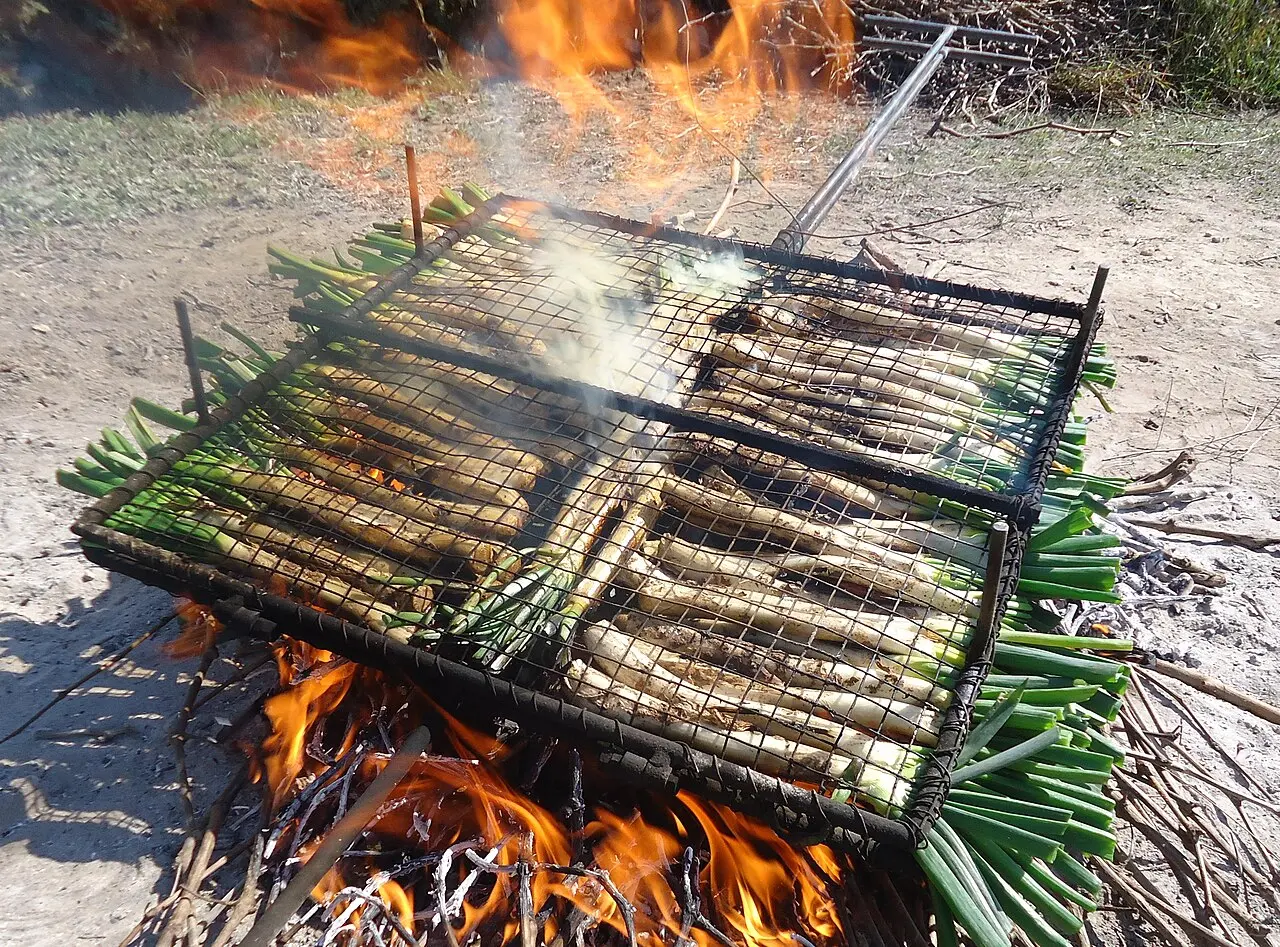
If you visit Barcelona during Holy Week in 2026, you are at the perfect time to enjoy a Calçotada. This gastronomic festival consists of eating calçots (a variety of tender onion) roasted directly over vine shoot flames until the outside is blackened.
They are eaten with the hands, peeling off the burnt layer and dipping the tender heart into a delicious romesco sauce (made with tomatoes, nuts, and ñora peppers). It is a social and fun experience that is usually accompanied by grilled meat. In Barcelona city, many Catalan cuisine restaurants offer calçotada menus, although the most authentic way is to look for farmhouses (masías) in the outskirts or in neighborhoods with a village essence like Gràcia or Sarrià.
Light Show at the Sagrada Familia
One of the most overwhelming and visually impactful moments of Holy Week 2026 will take place on the Passion façade of the Sagrada Familia. During the nights of March 29th, 30th, and 31st, 2026, Antoni Gaudí’s masterpiece will become a living canvas where architecture and light merge to narrate the last days of Jesus Christ. This free event invites residents and visitors to gather in front of the basilica to witness an unprecedented technological and spiritual display in the city.
The show uses mapping technology to highlight the angular and dramatic shapes of the Passion façade, designed by Josep Maria Subirachs. Through a play of shadows, colors, and projections, the sculptures seem to come to life, guiding the viewer through a story of sacrifice and hope. The experience is elevated by a musical narration of great emotional power, enveloping the area of Sardenya Street in an atmosphere of absolute respect and admiration.
To ensure no one misses this cultural milestone, the organization has scheduled two daily sessions of 20 minutes each, distinguished by the language of the narration:
- 9:00 PM: Session in Catalan.
- 9:30 PM: Session in Spanish.
It is recommended to arrive early at the Plaça de la Sagrada Familia area to find a good viewing angle, as the influx of people is usually massive due to the visual beauty of the event.
Easter Egg Workshops: The Sweetest Plan for the Whole Family
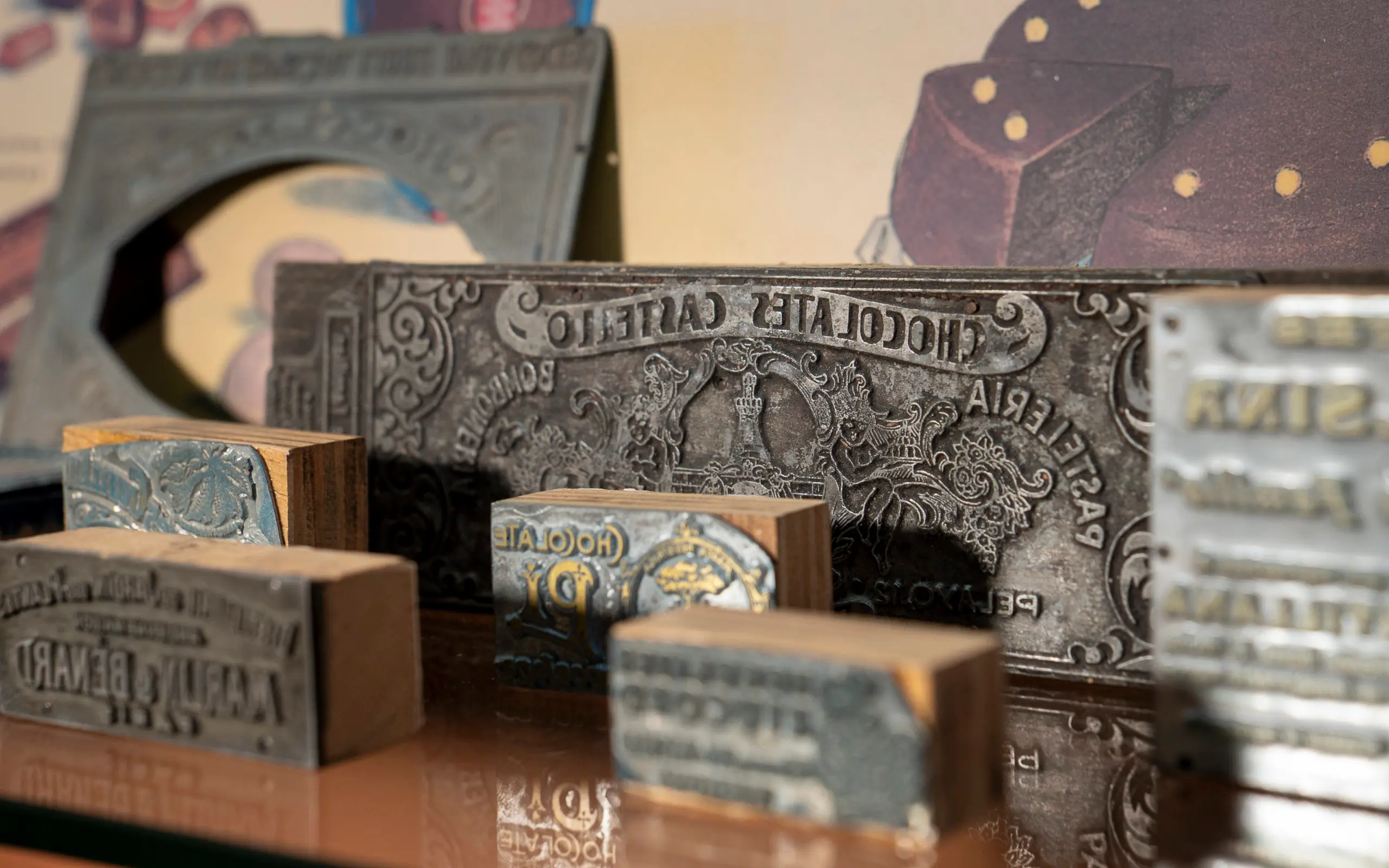
If you are looking for an activity that combines creativity, tradition, and fun, the Museu de la Xocolata (Chocolate Museum) in Barcelona becomes the epicenter of family entertainment this Holy Week. From April 1st to 5th, 2026, this iconic space in the Born neighborhood organizes its long-awaited chocolate Easter egg workshops, an experience designed for adults and children to become master chocolatiers for a day.
It is the perfect plan to strengthen bonds between different generations of the family, working side by side in decorating traditional eggs. The activity costs €20 per person and is intended for children from 6 years old, guaranteeing a morning or afternoon of laughter and learning in an environment surrounded by the city’s most impressive chocolate sculptures.
But the offer doesn’t stop there. The museum proposes a range of complementary activities with prices ranging between €12 and €16, adapting to all tastes:
- Chocolate lollipop workshop: For children who want to start learning the art of chocolate tempering.
- Easter cookie decorating: Boundless creativity with icing and spring shapes.
- Chocolate art workshop: A freer proposal where cocoa becomes the paint on an edible canvas.
And if you are traveling with your group of friends and looking for a different plan, don’t overlook the options available. The museum offers specialized tastings and technical workshops where you will learn the secrets of pairing chocolate with wines or spirits, turning a Holy Week afternoon into an unforgettable gourmet experience.
In short, Holy Week in Barcelona 2026 is an invitation to experience the city with all five senses. It is the moment where respect for the most solemn traditions lives in perfect harmony with the playful spirit of the Mediterranean spring. Whether by letting yourself be carried away by the emotion of a procession in the silence of the Gothic Quarter, admiring Gaudí’s genius under a new light, or sharing a Mona de Pascua with your loved ones, every moment becomes an unforgettable chapter of your trip.
At HCC Hotels, we want your only worry to be enjoying this agenda full of magic. Therefore, our hotels located in the city’s most strategic locations offer the perfect refuge to rest after a day of discovery, ensuring that comfort and hospitality are the dominant notes of your vacation. We look forward to seeing you!