Barcelona is one of the most dazzling and varied shopping destinations in Southern Europe. Whether you are passionate about browsing artisan shop windows on your way to your next cultural landmark or you dedicate entire days of your trip to revamping your wardrobe, the Catalan capital offers an unmatched range of possibilities.
Its offering ranges from century-old shops declared historical heritage to haute couture boutiques, including avant-garde spaces, food markets, and independent design stores.
Much of this offering is articulated along the Barcelona Shopping Line, an open-air commercial axis over five kilometers long that connects various neighborhoods of the city. Shopping in Barcelona allows you to soak up its unique identity: a constant dialogue between the cosmopolitan and the local, the traditional and the groundbreaking.
Below, we offer you the most comprehensive guide to the main high-street shopping areas, the best shopping centers, and the most prominent shopping venues in Barcelona to plan your perfect shopping route. Discover it!
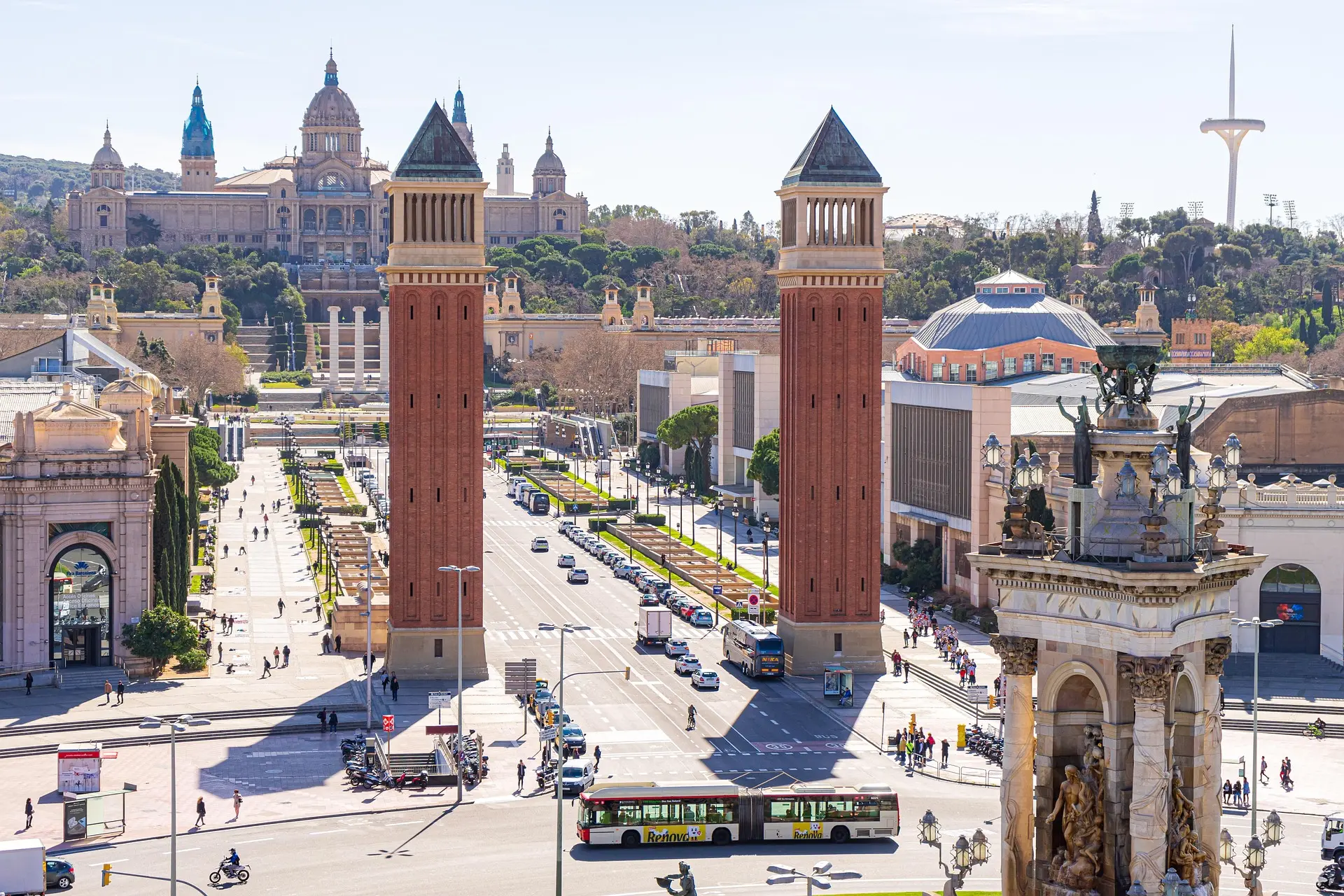
The best open-air shopping areas and commercial axes in Barcelona
Exploring Barcelona on foot is the best way to discover its commercial essence, where shopping naturally blends with architecture, history, and neighborhood life. The capital’s open-air shopping axes constitute a large open-sky shop window that extends across its most emblematic districts, offering alternatives for all tastes and styles.
From the elegance of stately boulevards to the bohemian charm of medieval layouts, each area possesses its own personality that invites you to enjoy shopping while admiring gems of Modernism, discovering local artisan workshops, or taking a break on a traditional terrace.
1. Passeig de Gràcia: Barcelona’s Golden Mile
The Passeig de Gràcia is Barcelona’s grand boulevard of elegance. This majestic avenue, linking Plaça de Catalunya with the former Vila de Gràcia, concentrates international glamour framed by the greatest gem of Catalan Modernism.
- What to buy: It is home to the world’s most prestigious international haute couture, fine jewelry, luxury watchmaking, and prêt-à-porter brands (Chanel, Dior, Gucci, Louis Vuitton, Cartier, Hermès, Prada), coexisting alongside flagships of major Spanish brands like Loewe, Mango, or Zara.
- Don’t miss: Between luxury shop windows stand the masterpieces of Antoni Gaudí and his contemporaries, such as Casa Batlló, La Pedrera (Casa Milà), Casa Amatller (by Josep Puig i Cadafalch), and Casa Lleó Morera (by Lluís Domènech i Montaner). Don’t forget to admire the famous white-tile bench-lampposts designed by Pere Falqués.
- How to get there: Metro at Catalunya (L1/L3), Passeig de Gràcia (L2/L3/L4), and Diagonal (L3/L5) stations. City buses: 7, 22, 24, and V15.
2. Avinguda Diagonal: design, decoration, and interior design brands
Avinguda Diagonal is one of the city’s longest and most important avenues. Its commercial stretch runs from the junction with Passeig de Gràcia up to the upper area of Les Corts.
- What to buy: In the section closest to Passeig de Gràcia, you will find select fashion boutiques, while from Plaça de Francesc Macià onwards, the avenue specializes in home decor, interior design, home furnishings, high-end electronics, and premium international fashion.
- Don’t miss: Unique architecture such as Casa Comalat, Palau del Baró de Quadras, the gardens of Palau de Pedralbes, and the proximity to the emblematic Plaça de Francesc Macià.
- How to get there: Metro at Diagonal (L3/L5), Maria Cristina (L3), and Palau Reial (L3) stations. Trambaix tram (T1, T2, T3) and buses: 6, 7, 33, 34, V9, and V15.
3. Plaça de Catalunya, Portal de l’Àngel, and Carrer de Pelai: trends for all budgets
The nerve center of the city articulates the commercial area with the highest pedestrian traffic in Spain. It connects the modern center with the old town via wide, completely pedestrianized avenues.
- What to buy: Portal de l’Àngel is a pedestrian artery packed with stores of major international young fashion chains, footwear, accessories, and cosmetics. Along its path, artisan nougat (turrón) and ice cream shops also coexist. For its part, Carrer de Pelai stands out for its shoe stores and urban fashion outlets. In Plaça de Catalunya, department stores and technology shops are concentrated.
- Don’t miss: Taking in the vibrant rhythm of Plaça de Catalunya, admiring the stately mansions of Portal de l’Àngel, seeing the historic giant thermometer of the former Cottet opticians, and photographing the Font de Santa Anna, the oldest preserved drinking water fountain in the city (14th century).
- How to get there: Metro at Catalunya (L1/L3) and FGC. Buses: 47, 52, 55, 59, 67, H16, V13, and V15.
4. La Rambla and Mercat de la Boqueria: typical products and souvenirs
Barcelona’s most international street descends from Plaça de Catalunya to Port Vell, divided into distinct sections each with a unique personality.
- What to buy: It is the ideal place to purchase handcrafted souvenirs, cultural publications, flowers, and gastronomic treats. At number 91 stands the famous Mercat de la Boqueria, the perfect spot to buy extra virgin olive oils with designation of origin, nuts, Iberian cured meats, high-quality preserves, and traditional sweets.
- Don’t miss: The monumental iron structure of the entrance to La Boqueria, the Joan Miró mosaic integrated into the street pavement, the Palau de la Virreina, the historic Gran Teatre del Liceu, and the Christopher Columbus monument facing the sea.
- How to get there: Metro at Catalunya (L1/L3), Liceu (L3), and Drassanes (L3). Buses: 59 and V13.
5. El Raval: alternative fashion, records, and vintage culture
Located west of La Rambla, the neighborhood of El Raval has undergone a vibrant cultural transformation, becoming the epicenter of alternative trends in the city.
- What to buy: On Carrer de Tallers, collectible vinyl record shops and gothic, urban, and ethnic clothing stores stand out. Carrer de la Riera Baixa is the mecca of vintage style, with shops specializing in second-hand fashion from the 60s, 70s, and 80s, retro decor objects, and out-of-print books.
- Don’t miss: The contrast between the historic heritage of the Antic Hospital de la Santa Creu (15th century) and the architectural avant-garde of the MACBA (Museum of Contemporary Art) and the CCCB. Don’t forget to photograph Fernando Botero’s Gat (Cat) on the Rambla del Raval or visit Gaudí’s imposing Palau Güell.
- How to get there: Metro at Sant Antoni (L2), Universitat (L1/L2), and Liceu (L3). Buses: 55, 59, 120, V11, and D50.
6. Sant Antoni: local commerce, design, and book culture
A neighborhood with its own distinct personality that has managed to combine its community neighborhood fabric with the opening of contemporary design spaces.
- What to buy: Traditional shops with handmade products, designer fashion boutiques, sustainable fashion, and specialized stationery stores. The great jewel is the Mercat de Sant Antoni, which offers fresh produce and clothing on weekdays and hosts the legendary Dominical del Llibre every Sunday, an open-air market for second-hand books, comic books, antique posters, collectible trading cards, and records.
- Don’t miss: The iron architecture of Mercat de Sant Antoni (designed by Antoni Rovira i Trias in 1882) and the archaeological site of the old medieval wall found in its basement.
- How to get there: Metro at Sant Antoni (L2) and Poble Sec (L3). Buses: 13, 55, 120, 141, and D50.
7. Gothic Quarter: century-old shops, antique dealers, and handicrafts
The maze of medieval alleys that makes up the historic center is home to some of the most charming neighborhoods in Catalonia, the Gothic Quarter.
- What to buy: Antique shops, second-hand bookstores, leather craft workshops, traditional cutlery shops, century-old hat shops (such as the historic Sombrerería Obach), handmade clothing, and author jewelry workshops around Carrer d’Avinyó and Carrer dels Banys Nous.
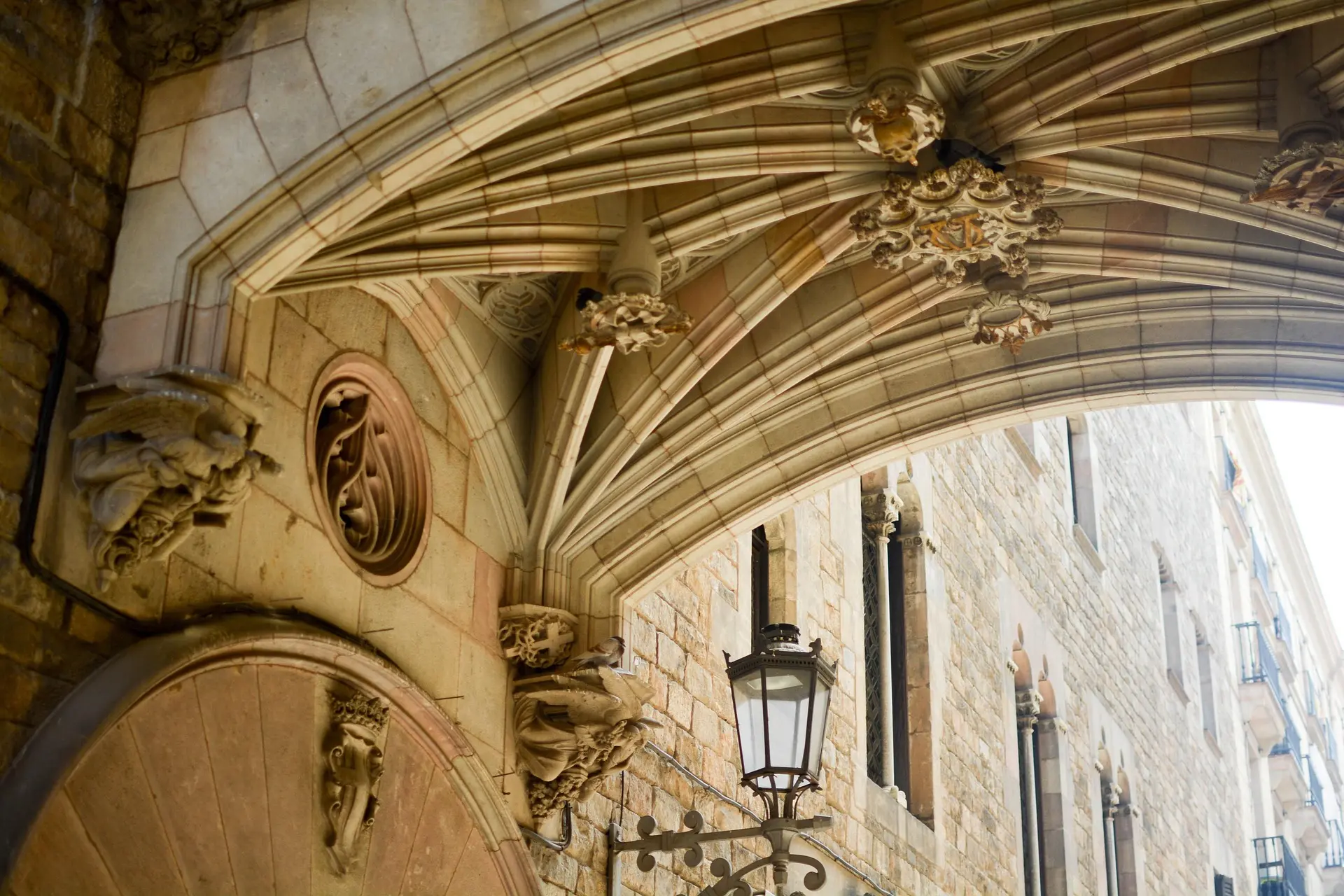
- Don’t miss: The magnificence of the Barcelona Cathedral, the major synagogue in the ancient Jewish Quarter (El Call), Plaça de Sant Felip Neri, the Bishop’s Bridge (Pont del Bisbe), and the institutional seats in Plaça de Sant Jaume.
- How to get there: Metro at Jaume I (L4), Liceu (L3), and Drassanes (L3). Buses: 47, 59, 120, V15, and V17.
8. El Born: bohemian avant-garde and independent brands
Located between the Gothic Quarter and Parc de la Ciutadella, the neighborhood of El Born (La Ribera) has evolved to become the creative district of the city.
- What to buy: On streets like Argenteria, Mirallers, Flassaders, and Esparteria, signature fashion with its own identity abounds, as well as handcrafted leather accessories, niche perfumery, independent designer shoe stores, and unique gift shops. In the northern area, near Arc de Triomf, the hub specializing in comic books and manga culture is concentrated.
- Don’t miss: The majestic Basilica of Santa Maria del Mar (the pinnacle of Catalan Gothic), the Picasso Museum, the Palau de la Música Catalana, the Santa Caterina Market, and the Born CCM cultural center.
- How to get there: Metro at Jaume I (L4) and Barceloneta (L4). Buses: 19, 47, 59, 120, V15, and V17.
9. Gràcia (Carrer de Verdi and Gran de Gràcia): designer fashion and ethical fashion
The former village of Gràcia retains its network of narrow streets and sunny squares with a commercial offering oriented toward responsible consumption.
- What to buy: Carrer de Verdi and its adjacent streets house ethical and sustainable fashion boutiques, textile craft workshops, independent bookstores, and organic cosmetics shops. For its part, Gran de Gràcia street offers a wide variety of footwear and fashion stores from domestic and international brands.
- Don’t miss: The terrace atmosphere in Plaça del Sol and Plaça de la Vila de Gràcia, as well as the iconic Casa Vicens, the first residential building designed by Antoni Gaudí.
- How to get there: Metro at Fontana (L3) and Lesseps (L3). Buses: 22, 24, V17, and H6.
Recommended guided tour: Barcelona Genuine Shops Tour
For those wishing to discover the secrets of local commerce up close, the city tourism office organizes the Barcelona Genuine Shops Tour. It is a guided walking tour through century-old establishments, live artisan workshops, art museum shops, and gourmet venues with tastings of typical products.
The best shopping centers and department stores in Barcelona
When looking to concentrate shopping in a single space combining fashion, dining, parking, and leisure, Barcelona offers top-tier shopping malls spread across its various districts. Let’s introduce them!
1. L’Illa Diagonal (Les Corts)
Known as the “horizontal skyscraper” for its iconic architectural design planned by Rafael Moneo and Manuel de Solà-Morales, L’Illa Diagonal is the benchmark shopping center for residents of Barcelona’s upper zone.
- Commercial offering: It houses more than 170 stores distributed across several floors, highlighting international fashion brands (Scalpers, Massimo Dutti, Mango, Zara, Pepe Jeans, Nike), jewelry, beauty, and decor (Zara Home, Natura). On its lower floor, it features a renowned gourmet food market (El Rebost) with top-quality products.
- Location: Av. Diagonal, 557 (Les Corts).
- How to get there: Metro at Maria Cristina (L3) and Les Corts (L3). Trambaix tram (L’Illa).
2. Westfield La Maquinista (Sant Andreu)
It is the largest shopping center in Catalonia and stands out for its innovative open-air shopping complex concept, featuring pedestrian avenues and landscaped squares that take advantage of the Mediterranean climate.
- Commercial offering: It features more than 220 establishments, including a large-format Apple Store, Uniqlo, Primark, the entire Inditex group, FNAC, sportswear chains (Decathlon, JD Sports), and state-of-the-art cinemas. It has a varied outdoor dining offering.
- Location: Carrer de Potosí, 2 (Sant Andreu).
- How to get there: Metro at Sant Andreu (L1) and Torras i Bages (L1); Rodalies commuter trains at Sant Andreu station.
3. Westfield Glòries (Sant Martí)
Located next to the 22@ technology district and the iconic Torre Glòries, this is another open-air shopping center integrated into the urban fabric following an ambitious architectural remodeling.
- Commercial offering: It brings together the main youth and international fashion brands (Uniqlo, Mango, H&M, Zara, Pull&Bear, Sephora) and the gourmet dining space El Mercat de Glòries, featuring signature fast-casual cuisine and local produce.
- Location: Av. Diagonal, 208 (Sant Martí).
- How to get there: Metro at Glòries (L1). Trambesòs tram (Glòries) and buses: 7, H12, and V23.
4. Arenas de Barcelona (Eixample / Sants-Montjuïc)
Located in the historic Arenas bullring (built in 1900), the building was transformed into an avant-garde commercial space by architect Richard Rogers, preserving its monumental Neo-Mudéjar facade intact.
- Commercial offering: It has over 100 stores specializing in fashion, technology, sports, and leisure. Its standout feature is the circular top dome, offering a 360-degree public viewpoint with spectacular panoramic views over Plaça d’Espanya and Montjuïc mountain, surrounded by a varied selection of restaurants.
- Location: Gran Via de les Corts Catalanes, 385 (Plaça d’Espanya).
- How to get there: Metro at Espanya (L1/L3) and FGC. Buses: 13, 23, 46, 150, H12, and H16.
5. Maremagnum (Port Vell)
Located at the end of La Rambla, extending over the waters of the old port via the wooden walkway of Rambla de Mar, it is the only shopping mall in Barcelona that opens its stores every single day of the year (including Sundays and holidays) due to its location in a designated tourist zone.
- Commercial offering: It brings together international fashion, footwear, beauty, and accessories stores with the added appeal of its terraces over the Mediterranean Sea, ideal for dining or having a drink while admiring recreational boats.
- Location: Moll d’Espanya, 5 (Port Vell).
- How to get there: Metro at Drassanes (L3) and Barceloneta (L4). Buses: 59, V13, V15, V17, and H14.
6. Diagonal Mar (Sant Martí)
Strategically located next to Diagonal Mar Park, Llevant beaches, and the CCIB convention center, it is one of the largest shopping malls on the Barcelona coastline.
- Commercial offering: It houses more than 200 brands distributed across three floors (including an Alcampo hypermarket, Primark, H&M, Zara, JD Sports), Cinesa cinemas, and a spacious restaurant area with outdoor terraces called La Alta Plaza.
- Location: Av. Diagonal, 3 (Diagonal Mar).
- How to get there: Metro at El Maresme | Fòrum (L4). Trambesòs tram (El Maresme) and bus V31.
7. El Corte Inglés (Plaça de Catalunya and Avinguda Diagonal)
Spain’s premier department store brand has two flagship locations in the city that are essential stops for quality shopping:
- Plaça de Catalunya location: The busiest department store building in the city. It features nine floors including luxury perfumery and cosmetics, fashion for all ages, electronics, footwear, a bookstore, and a famous gourmet supermarket (Gourmet Experience) on the top floor with a cafeteria and panoramic views over the square.
- Avinguda Diagonal location (Maria Cristina): Geared towards high-end luxury, it gathers exclusive corners of international fashion, leather goods, and fine jewelry brands.
8. La Roca Village (outlet shopping getaway)
Although located 35 minutes outside Barcelona (in Santa Agnès de Malanyanes), this open-air Mediterranean village-style shopping complex is an essential shopping excursion for those seeking luxury brands at discounted prices.
- Commercial offering: Over 150 boutiques of prestigious Spanish and international luxury and premium brands (Burberry, Michael Kors, Polo Ralph Lauren, Montblanc, Tag Heuer, Nike, BOSS) offering discounts of up to 60% year-round off the recommended retail price.
- How to get there: Official Shopping Express luxury bus service with daily departures from Estació del Nord in Barcelona.
Practical tips for your shopping days in Barcelona
- Commercial opening hours: Standard hours for high-street shops and boutiques run from 9:30 am / 10:00 am to 8:30 pm / 9:00 pm from Monday to Saturday. Shopping centers open continuously from 9:00 am / 10:00 am to 9:00 pm / 10:00 pm.
- Sunday shopping: Retail shops in designated tourist areas (such as Maremagnum or stores in the historic center) have authorized openings on public holidays set by the city’s official calendar.
- VAT Refund (Tax Free): Residents outside the European Union can request the Tax Free form at participating stores to claim back the Value Added Tax (VAT) on their purchases with no minimum purchase requirement.
- Sales seasons (Rebajas): Winter sales begin on January 7 and run until the end of February. Summer sales cover the months of July and August, extending until early September.
HCC Hotels: Your perfect base for rest after a shopping spree in Barcelona
Exploring the great shopping thoroughfares and commercial centers of Barcelona requires a central, well-connected location that allows you to easily return to your hotel to drop off your shopping bags or unwind in maximum comfort.
The network of HCC Hotels in Barcelona provides shoppers with a selection of strategically located establishments right in the heart of the city:
- Unbeatable connection to shopping axes: Hotels such as HCC Regente, HCC Taber, and HCC St. Moritz are located just meters from Passeig de Gràcia and Avinguda Diagonal. Meanwhile, HCC Montblanc is situated just a two-minute walk from Plaça de Catalunya, Portal de l’Àngel, and the Gothic Quarter.
- Certified sustainability: All hotels in the chain hold the Biosphere Certified seal, guaranteeing that your stay in Barcelona is respectful of the environment and the local community.
- Comfort and state-of-the-art services: Comfortable and air-conditioned rooms, high-speed Wi-Fi, luggage storage service, and the ability to virtually explore the facilities through the 3D Booking tool available on their official website.
Plan your shopping route in Barcelona, book your stay at HCC Hotels, and get ready to enjoy one of the most comprehensive and inspiring shopping capitals in the world. We look forward to welcoming you!