Barcelona begins the year 2026 consolidating itself as a global laboratory for new ways of inhabiting and visiting urban space. The city is no longer a simple backdrop of monuments to become an experience of deep immersion, where travelers prioritize ethics, technology, and the discovery of the everyday. In this new paradigm, the concept of “tourism” evolves towards “temporary coexistence,” marking a clear roadmap for those who wish to discover the Catalan capital with a renewed perspective. Discover the travel trends for 2026 in Barcelona!
1. The rise of Slow Travel: Reconnecting with the local
One of the most pronounced travel trends in 2026 is the conscious rejection of immediacy and overcrowding. Travelers now seek to live like locals, moving away from the hustle and bustle to immerse themselves in the real rhythm of the city. This trend, known as Slow Travel in Barcelona, invites dedicating more time to a single neighborhood instead of trying to cross off all the tourist spots in a weekend.
Barcelona has responded to this desire by enhancing its green axes and squares, where neighborhood life is the true protagonist. It is no longer just about seeing the architecture, but understanding the culture that beats behind every blind. People visiting the city now prefer to spend the afternoon on a terrace in Gràcia or Sants, observing the daily hustle.
2. The Poblenou phenomenon: The new cultural epicenter
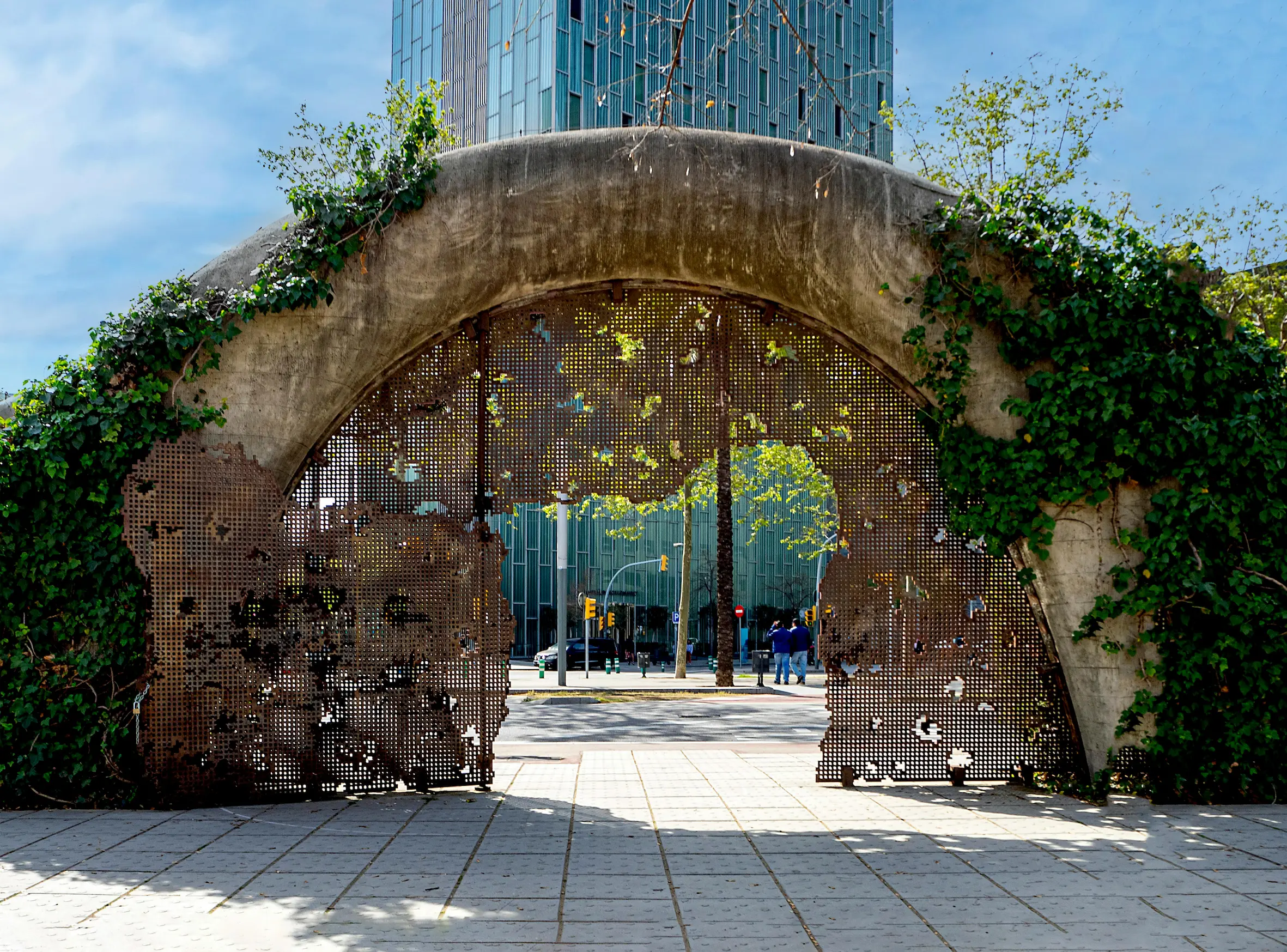
If there is a neighborhood that defines the spirit of Barcelona in 2026, it is Poblenou. Recognized as a key point for local culture, innovation, and authentic life, this former industrial district has transformed into the benchmark of the Barcelona of the future.
What makes Poblenou special is its ability to balance its industrial past with design studios, contemporary art galleries, and consumer cooperatives. Being away from traditional tourist areas, it offers an atmosphere of tranquility and avant-garde that attracts people interested in creativity and sustainability. Its wide streets and proximity to less congested beaches make it the ideal refuge for those seeking a fresh urban experience away from clichés.
3. Solo travel: Autonomy and flexibility
Barcelona has consolidated itself in 2026 as one of the preferred destinations for the growing number of people who choose to travel without company. It is estimated that this traveler profile has increased by 39%, mainly seeking total autonomy over their itinerary and the flexibility to change plans at the last minute.
The city adapts perfectly to this trend thanks to its safety, its vibrant cultural life, and a hotel offering that has been able to respond to the demand. Centrally located hotels now offer adapted spaces and common areas designed to facilitate social interaction if the person desires it, or to guarantee a quiet and productive stay.
4. Technology and connectivity: Digital immersion
Technology is no longer just a booking tool, but a layer that enriches the physical experience. In 2026, 40% of people traveling from Spain actively use technology to enhance their immersion in the city.
From augmented reality applications that allow you to see what the Gothic Quarter was like in Roman times, to real-time flow management systems that notify people of the best time to visit a museum without crowds, digitalization is at the service of comfort. This trend allows each person to customize their route according to their specific interests, avoiding generic circuits and optimizing their length of stay.
5. Travel trends in 2026: Responsible and seasonal tourism
Climate and social awareness has made a deep impact on the travel trends of 2026. Travelers increasingly value stays in hotels that demonstrate a positive impact on their surroundings, whether through the use of renewable energy or support for local suppliers.
Likewise, there has been a significant change in the calendar. There is a strong preference to visit Barcelona in low or intermediate seasons (spring and autumn). The objective is twofold: on the one hand, to avoid the high temperatures of the Mediterranean summer, and on the other, to avoid the crowds that hinder a real connection with the destination. Traveling in November or March allows people to discover a more intimate Barcelona, with a different light and a much friendlier pace.
6. Barcelona for everyone: Family, couples, and business
Barcelona positions itself in 2026 as one of the most versatile metropolises in the world, capable of offering meaningful experiences for profiles with very diverse needs. The city has worked intensely on its infrastructure to ensure that anyone, regardless of the reason for their visit, finds a welcoming and stimulating environment.
Family travel: Diversity, learning, and play
Barcelona has transformed its offering for people traveling with children, prioritizing spaces where play is combined with pedagogical learning and safety.
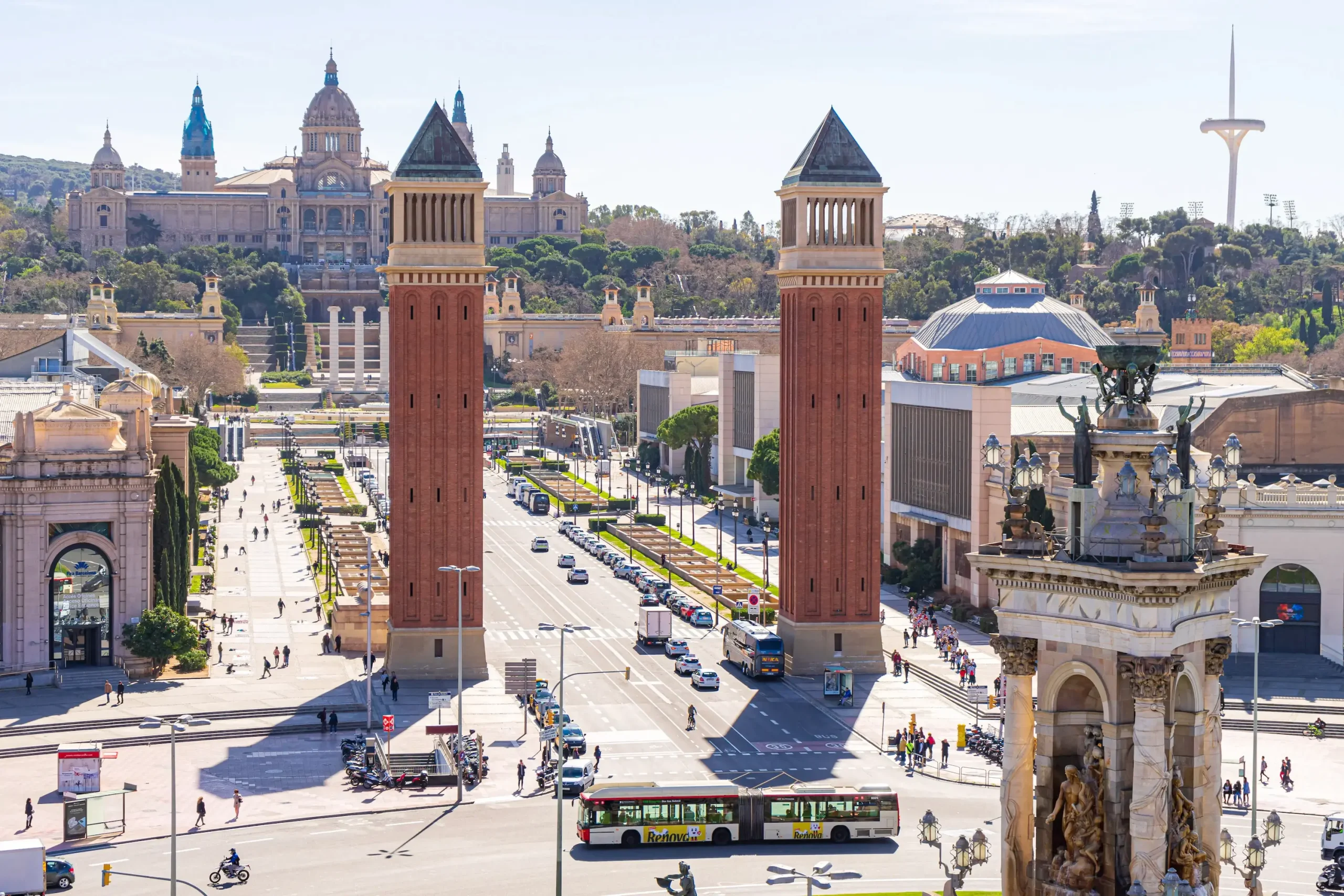
- Museums and science: Spaces like the CosmoCaixa remain benchmarks thanks to their ability to explain science interactively. In addition, the Museu Nacional d’Art de Catalunya (MNAC) has reinforced its programming with dynamic visits and workshops designed specifically for children.
- Outdoor spaces: The beaches, especially Bogatell, are valued for their accessibility and tranquility. Likewise, the Park of Montjuïc offers an unparalleled natural environment where families can enjoy gardens, viewpoints, and cultural facilities in the same space.
- Logistical comfort: The city facilitates family travel by offering stroller loan services in the main cultural centers, such as the MNAC cloakroom.
Couples travel: Romanticism and exclusivity
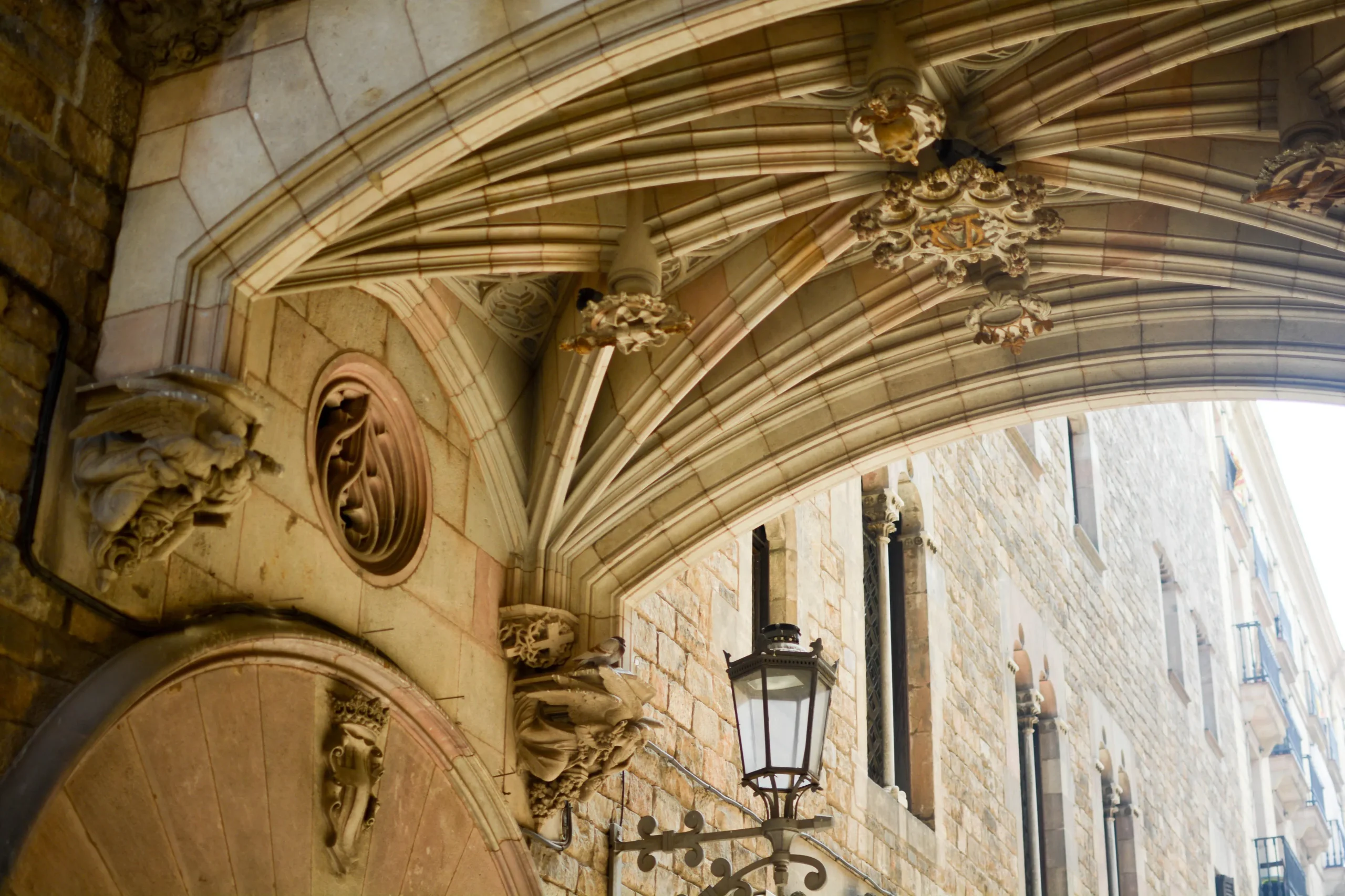
For people looking for a romantic getaway, Barcelona offers a perfect combination of historical heritage and intimate corners away from the conventional routes.
- Iconic sunsets: The REG76 terrace of the HCC Regente hotel, the Terraces-Viewpoint of the National Palace or Tibidabo offer 360-degree panoramic views over Barcelona, ideal for enjoying the urban landscape as the sun goes down.
- Intimate gastronomy: The current trend focuses on dinners in the interior gardens of the Eixample, in unique spaces such as the Absis Restaurant, located in the old Throne Room, which allows dining with privileged views through its large windows, or in our restaurants in the center of Barcelona, the El Racó del Montblanc restaurant or the Café Lugano Restaurant & Bar.
- Charming accommodation: The demand for boutique hotels that offer personalized experiences has consolidated, allowing couples to discover the city at their own pace and with close treatment.
Business trips in Barcelona: The era of “bleisure” and connectivity
The business profile has evolved towards bleisure, where people combine their work commitments with cultural leisure.
- Technological districts: The 22@ district and the Poblenou area have become nerve centers of innovation. These districts offer specific services, such as high-speed connectivity and next-generation coworking spaces.
- Infrastructure for events: at HCC Hotels we have fully equipped rooms in our hotels to hold any type of business event. In addition, Barcelona has other unique spaces where different types of events can be held.
- Research and knowledge: For people who require a study or professional consultation environment, there are 41 public libraries in Barcelona, among them the Gabriel García-Márquez Library won the award for the best public library in 2023, among others.
Recommendations for an excellent experience in Barcelona in 2026
To make the stay as smooth and enriching as possible, it is essential to follow a series of guidelines that respond to the current reality of the city:
The importance of foresight
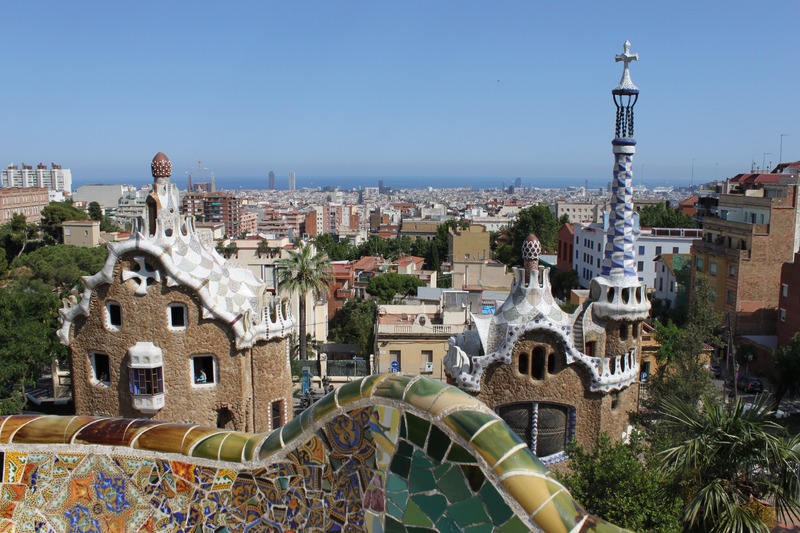
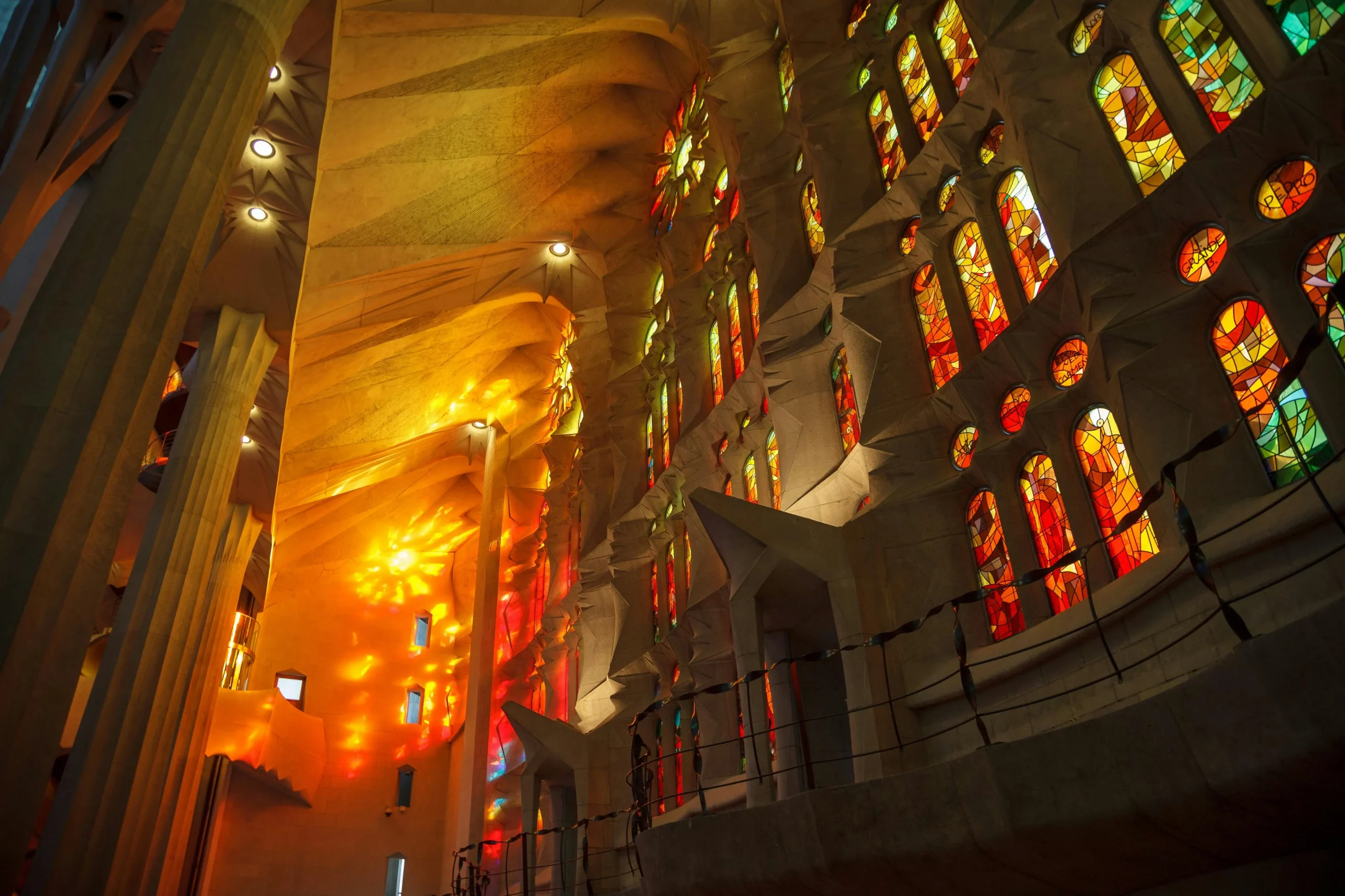
Although Slow Travel encourages improvisation, major architectural landmarks are still in high demand. It is essential to buy tickets for the Sagrada Familia and Park Güell in advance. Capacity management is strict to ensure the conservation of monuments and the quality of the visit for interested persons.
Exploration on foot and by bicycle: The “last mile”
Barcelona is a city designed to be walked. Exploration on foot is encouraged to discover architectural details, small craft shops, and historical corners that are invisible if fast transport is used constantly. The network of bike lanes also allows you to cover great distances, such as the entire coastline, in a healthy and sustainable way.
Gastronomy: Local and seasonal
In 2026, Barcelona’s culinary prestige lies not only in Michelin stars, but in the traditional eateries that respect local products. Travelers are recommended to stay away from establishments that display photos of their dishes on the door in highly crowded areas. The secret is to look for small, local, and seasonal menus, where the market product is the absolute protagonist.
Barcelona in 2026 presents itself as a destination that rewards curiosity and respect. The travel trends in 2026 indicate that people are no longer satisfied with being mere spectators; they want to be part of the city’s ecosystem, even if only for a few days. By visiting neighborhoods like Poblenou, traveling in less crowded times, and using technology smartly, a travel experience is achieved that not only benefits the visitor but also contributes to the balance and sustainability of this millenary city.